How to Write a Property Description That Gets Buyers to Book a Viewing
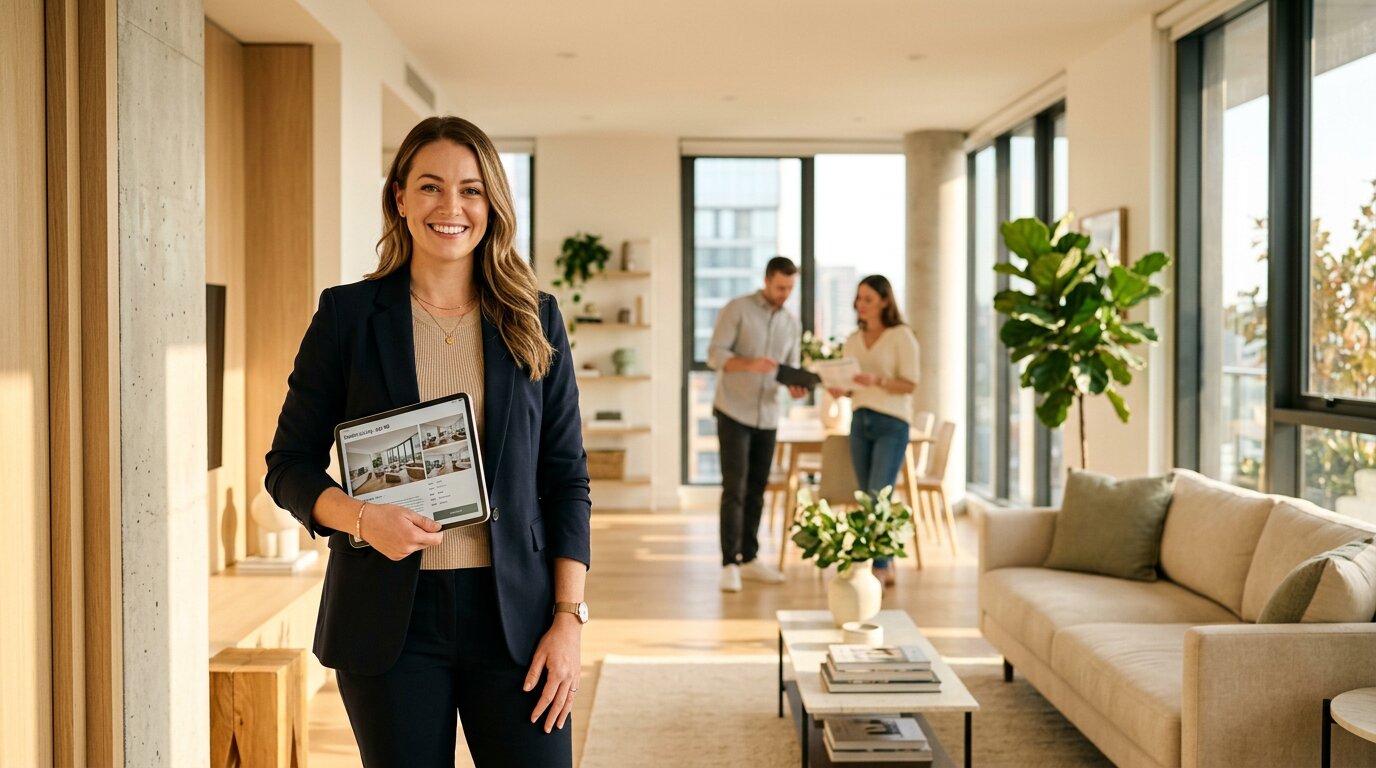
You know a strong property description should spark instant interest, but most end up as flat feature lists buyers skim past. If you want people to actually book a viewing, you need more than square footage and clichés. You need a clear ideal buyer in mind, a simple structure, and language that makes them feel the home before they ever step inside. The good news is, you can start doing that with your next listing by…
Get Clear on Your Ideal Buyer and Listing Goal
Before drafting a property description, first determine who the listing is intended to attract and what outcome you want to achieve. Identify your primary buyer profile—for example, first-time professionals, downsizers, luxury-focused buyers, or growing families. Then clarify the main objective of the listing, such as achieving the highest possible price, securing a rapid sale, or generating a high volume of enquiries and inspections.
Since the vast majority of buyers now begin their search online, it's important to use language that addresses their specific needs and preferences. Emphasise lifestyle benefits and the overall living experience, rather than listing features alone. Research in real estate marketing suggests that descriptions highlighting how a property can be used and experienced often lead to greater engagement and more viewing requests than descriptions that focus solely on technical specifications.
This approach becomes especially important when selling apartment properties in competitive urban markets, where buyers may compare dozens of similar listings in a short period. A well-positioned description can help distinguish a property by focusing on factors such as natural light, commuting convenience, nearby amenities, energy efficiency, or flexible living space.
Understanding buyer expectations also helps shape pricing strategy, photography, staging decisions, and advertising channels. For example, younger professionals may prioritize transport access and modern interiors, while families often focus more heavily on schools, storage space, and neighborhood stability. Tailoring the listing presentation to the most likely buyer profile can improve engagement and increase the chances of attracting qualified enquiries more quickly.
Use a Simple Hook-Story-Ask Structure for Descriptions
Once you have defined your target audience, organize your description using a concise Hook‑Story‑Ask structure that moves readers from initial interest to a clear next step.
Begin with a brief hook: a line of 10 words or fewer that states a key benefit or distinctive feature and encourages further reading.
Next, develop the story. Expand on the hook with a short description that helps prospective buyers understand what it might be like to live in the property. Include specific, verifiable details such as recent renovations, materials used, notable brands, energy‑efficient upgrades, and layout highlights. Keep this section focused and limit the total length to approximately 250 words to maintain clarity and readability.
Conclude with a direct ask. Clearly state what you want the reader to do next, such as scheduling a private tour or contacting you, and provide your name and phone number or other relevant contact information. This makes it easier for interested buyers to respond promptly.
Craft Property Description Headlines Buyers Can’t Ignore
Craft Property Description Headlines Buyers Notice and Understand
The headline determines whether buyers click to view the full listing. Keep it to 10 words or fewer and make it immediately clear what the property is. Include the neighborhood and one defining feature.
For example, “West Loop condo with private roof deck” provides more useful information than a vague option such as “Stunning condo.”
Avoid generic openings like “Welcome to” or phrases such as “Don’t miss this opportunity,” as they provide little descriptive value and are easy to overlook. Instead, use concise, descriptive phrasing that combines location and a key feature: “Kirkland townhome with lake views,” “Mill Valley loft-style home near trails.”
Headlines that are specific and straightforward tend to attract more qualified interest and lead to more relevant inquiries.
Open With a Scene, Not a Feature List
Instead of starting with a basic list of bedrooms, finishes, and recent upgrades, begin with a specific moment that shows how the space is used. For example, describing morning light across the countertops or a view into the garden can help buyers imagine a daily routine in the home. This approach still communicates key features but frames them in a practical context.
In online listings, the first line often influences whether users continue reading or move on. Since most buyers begin their search on digital platforms, the initial description plays a significant role in capturing attention. Some listing platforms and industry reports indicate that descriptions anchored in a clear, lived-in scene tend to receive higher engagement than purely feature-based openings. To do this effectively, use listing photos to identify natural light, views, and room flow, then base your opening sentence on an observable experience those elements create.
Describe Features as Sensory, Lifestyle-Rich Moments
A strong property description does more than list features; it connects them to concrete, sensory experiences that buyers can easily imagine. For example, rather than stating “quartz counters and Viking range,” a description that references the look, feel, and use of the space can help readers picture themselves in the home. In testing reported by the National Association of Realtors (NAR) in 2025, descriptions that emphasized sensory detail and everyday use generated up to six times more engagement than feature-only lists.
This approach reframes static elements as settings for daily activities. An outdoor pergola, for instance, can be described in terms of how it's typically used in the evening, including light, temperature, and surrounding environment. NAR data indicated that descriptions grounded in realistic, lifestyle-oriented scenarios were associated with an 8.2 percent increase in perceived value. Similarly, references to the tactile experience of flooring—such as the feel of hardwood underfoot at a particular time of day—were linked with a 6.5 percent increase in click-through rates.
Descriptions that highlight common routines, such as drinking coffee on a roof deck while noting specific weather conditions or views, were associated with a 12 percent reduction in days on market. Overall, describing features as part of tangible, everyday moments appears to make listings more relatable and can positively influence online engagement and buyer perception, as long as the scenarios described are realistic and consistent with the property’s actual characteristics.
Use Proven Listing Words Without Sounding Like Hype
Words can influence your sale price or undermine your credibility. You don't need exaggerated claims; you need language supported by data.
For example, “luxurious” has been associated with final prices that are, on average, 8.2% higher in 2026 transaction analyses. Similarly, listings using “captivating” have shown about a 6.5% uplift relative to expectations, particularly when the term is tied to a specific feature rather than a general statement.
Replace vague praise with verifiable details. Refer to appliance brands such as Sub-Zero or Viking instead of using broad terms like “high-end appliances.” Specify concrete features—such as quartz countertops, a pergola, or a walk-in pantry—to build buyer confidence and reduce ambiguity.
Limiting yourself to one subjective or emotional descriptor per sentence can help keep the listing clear, credible, and in line with advertising and compliance standards.
End With a Clear, Click-Worthy Call to Action
Limit each listing page to three to five clear, concise calls to action to reduce choice overload and help visitors make decisions more efficiently.
Incorporate specific details—such as dates, times, or a direct contact name—to make it easier for users to commit to an appointment.
Include a prominent “Book a Viewing” button within the first 250 words of the page to increase the likelihood that visitors will submit a showing request while their interest is highest.
Conclusion
You don’t need flowery language or hours of rewriting to make buyers feel something—you just need to know who you’re talking to, hook them fast, and walk them through a day in their future home. When you pair vivid scenes with clear benefits and a strong call-to-action, your listing stops blending in and starts booking viewings. Now open your latest draft, pick one listing, and rewrite it using this framework today.